


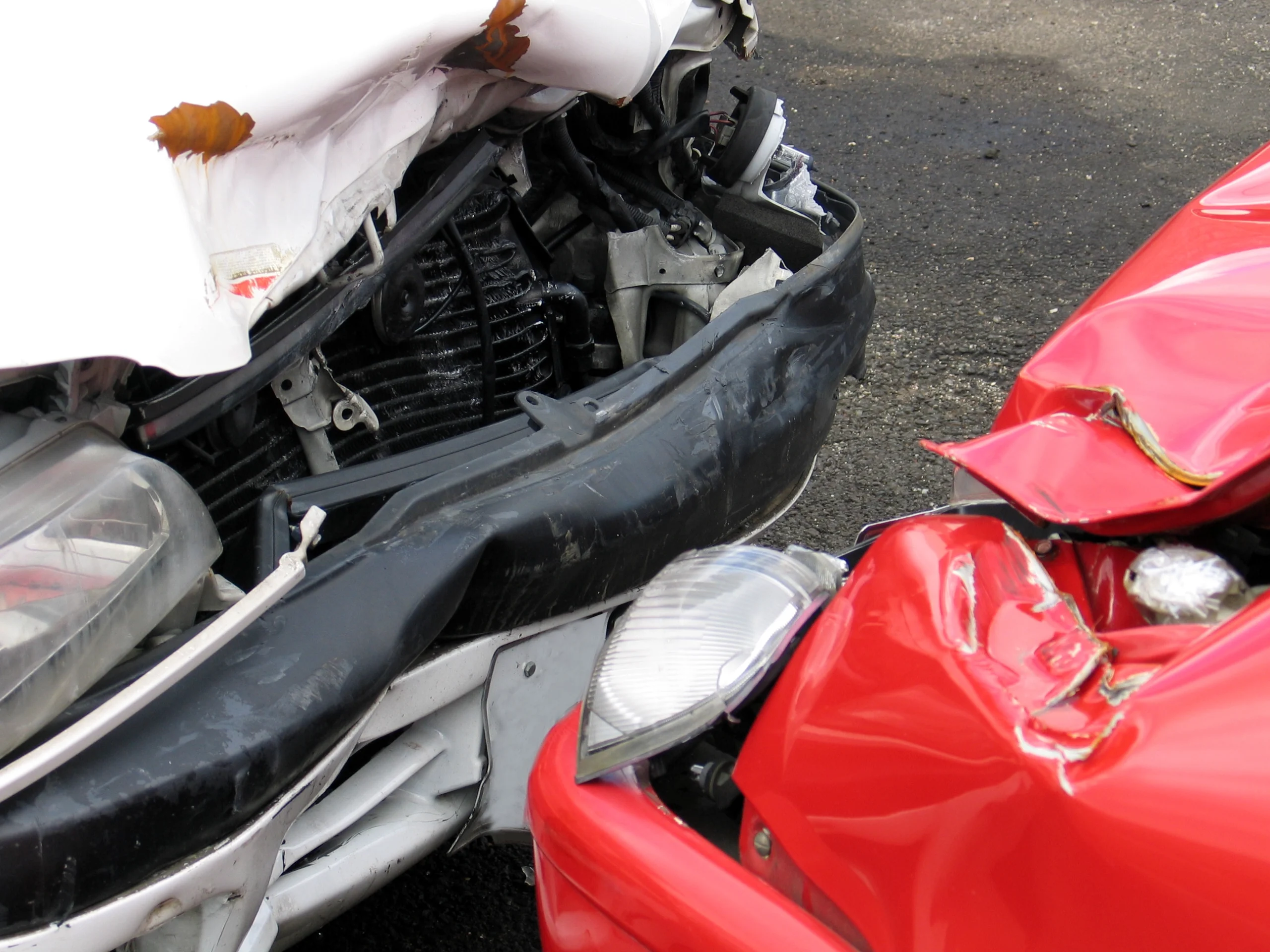
In the days after a crash, you should follow up on medical care, report the collision to your insurer, preserve your evidence, and avoid giving recorded statements to the other driver’s insurance company. The hours at the scene get most of the attention, but what to do in the days following a car accident often decides how strong your claim becomes. Following the list of what to do after a car accident during those days protects both your health and your finances.
Why Does Follow-Up Medical Care Matter So Much?
Some injuries hide for days. Whiplash, concussions, and internal bleeding frequently produce no symptoms until 24 to 72 hours after a car accident, when adrenaline fades and inflammation sets in.
Seeing a doctor promptly creates a medical record that connects your injuries to the crash. Gaps in treatment give insurers room to argue that something else caused your condition, so attend every appointment and follow each recommendation. Watch for delayed symptoms such as:
- Headaches or dizziness
- Neck or shoulder stiffness
- Numbness or tingling in your limbs
- Abdominal pain or swelling
- Changes in mood, memory, or sleep
Any of these warning signs deserves a same-day call to your physician. Tell the provider you were in a collision so the visit gets documented correctly, and keep copies of every bill, prescription, and discharge instruction you receive.
What Paperwork and Evidence Should You Gather?
The most reliable steps to take after a car accident focus on building a paper trail while details are still fresh. Connecticut law already requires drivers to stop and exchange information, and leaving without doing so has penalties under Connecticut General Statutes § 14-224.
Start with what was collected at the scene and expand from there. Your car accident checklist after crash should include the following paperwork and evidence:
- The police report number and the responding department
- Photos of vehicle damage, the roadway, and your visible injuries
- Contact details for every witness
- Repair estimates and towing receipts
- A daily written log of your pain and limitations
Request the official crash report once it becomes available, usually within five to ten business days. Review it for errors right away, because a wrong narrative or missing witness is far easier to correct early than after the insurance company relies on it.
How Should You Handle the Insurance Companies?
Report the accident to your own insurance company as soon as possible, since many Connecticut policies require prompt notice after a collision. When providing information, stick to objective facts such as the date, location, vehicles involved, and any visible damage.
The other driver’s insurer may call quickly and sound friendly. You have no obligation to give a recorded statement, and anything you say can shrink your recovery later. Decline politely and let the adjuster know correspondence can go through your representative.
Individuals navigating what to do after a car accident in Connecticut should avoid making these common mistakes:
- Posting about the crash on social media
- Accepting a quick settlement before your diagnosis is complete
- Repairing your vehicle before photographing the damage
- Ignoring follow-up appointments
- Apologizing or speculating about fault in writing
Each misstep gives the insurance company grounds to argue against you. Settlement offers made in the first week seldom account for future treatment, lost earning capacity, or complications that surface weeks later.
How Long Do You Have to File a Car Accident Claim in Connecticut?
Most injury claims in the state must be filed within two years under Connecticut General Statutes § 52-584. If the deadline passes, an injury claim can be dismissed, regardless of its merit.
Families pursuing a wrongful death claim after a fatal crash face the same deadline. In addition to the standard limitations period, a statute of repose bars wrongful death claims filed more than five years after the underlying negligent act or omission, regardless of when the death occurred. Once that five-year period expires, the right to bring the wrongful death lawsuit is generally lost.
Get Answers About Your Crash at No Cost Today
Once you know what to do in the days following a car accident, the next question is what your claim is worth. With 70 years of combined experience and a client-first approach, Papcsy Janosov Roche Trial Lawyers knows how to maximize compensation packages for injury victims.
Our firm provides free consultations to review the specifics of your case. Reach out to us online or call 203-642-3888 before you speak with any adjuster.